
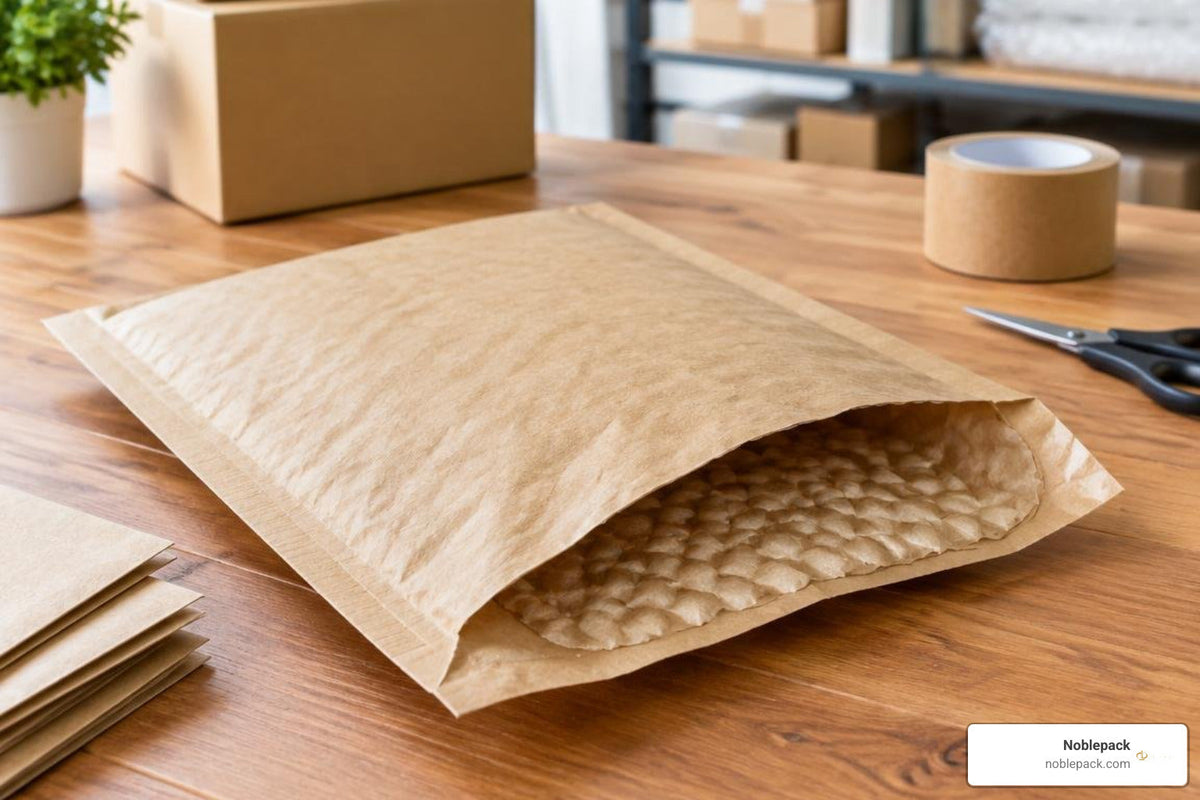
Sustainable Shipping Starts With the Right Padded Mailer
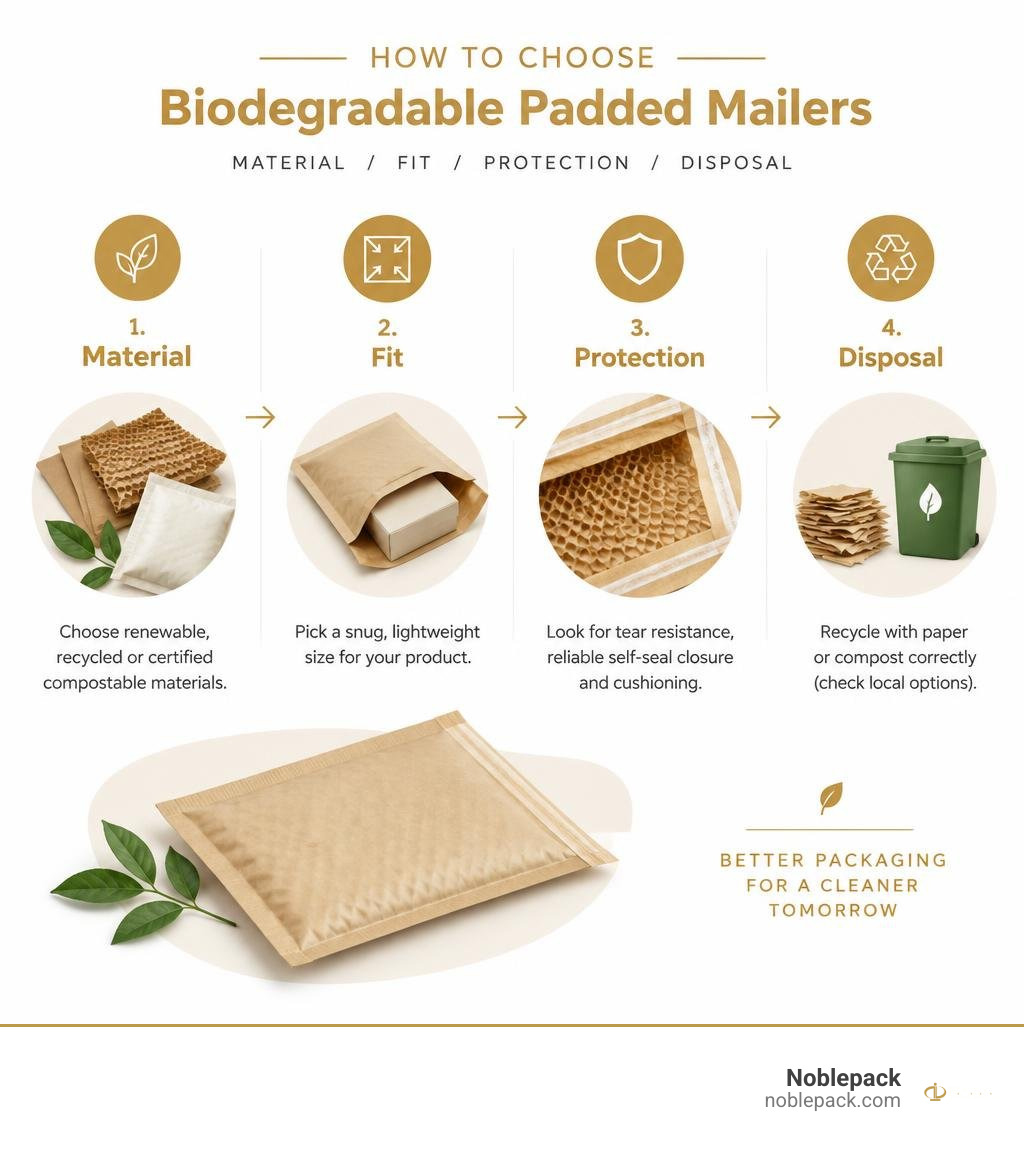
Biodegradable padded mailers protect small, moderately fragile products while reducing reliance on conventional plastic bubble envelopes. For jewelry retailers, the best choice is usually a snug, lightweight mailer with paper-based cushioning, a dependable self-seal closure, and enough protection for boxed earrings, rings, pendants, or accessories.
Look for mailers made with materials such as recycled kraft paper, honeycomb paper, pulp cushioning, or certified compostable plant-based films. Paper options can often be recycled with paper when all non-paper parts, such as release liners or plastic tear strips, are removed. Compostable bubble mailers need the right disposal route, so check the product's certification and local composting access before making claims to customers.
A good mailer does more than look green. It should fit the item closely, resist tears during transit, and support a premium unboxing experience without adding the bulk and cost of a small box.
I'm Dannah Davies, and next we'll look at why more modern brands are moving to biodegradable padded mailers for protective, lower-waste shipping.
Why Modern Brands Are Switching to Biodegradable Padded Mailers
The shift away from traditional petroleum-based plastic mailers is no longer just a niche trend—it is a core strategy for modern e-commerce. Conventional bubble envelopes use low-density polyethylene (LDPE) films that take centuries to break down in landfills and are rarely accepted in standard curbside collection programs. When consumers open their deliveries, sorting composite plastic-and-paper packaging often results in entire mailers being discarded directly into municipal waste streams.
Switching to plant-based and responsibly sourced paper materials drastically changes this dynamic. Using recycled kraft paper reduces carbon emissions by nearly 90% and consumes 96% less fossil fuel energy compared to producing virgin plastic. Furthermore, virgin paper carries a carbon footprint 3.8 times higher than utilizing high-yield recycled fiber alternatives. Incorporating Forest Stewardship Council (FSC) certified or recycled fiber stocks ensures forests are preserved while waste is redirected into high-performance packaging. According to the Environmental Protection Agency, containers and packaging make up a significant portion of municipal solid waste, making material choices in shipping a meaningful sustainability lever.
Beyond environmental metrics, today’s buyers actively notice how products arrive. Research across boutique e-commerce demonstrates that unboxing posts and organic social engagement double when sellers adopt renewable, tactile packaging. Presenting handcrafted goods, luxury pieces, or lifestyle accessories in sleek, earth-friendly packaging elevates brand perception. For companies developing a comprehensive approach to sustainability, our sustainable jewelry packaging guide 2026 outlines methods to unify internal display boxes, wrap elements, and outer mailers into a consistent, eco-conscious aesthetic.
Top Plant-Based and Recycled Cushioning Styles for 2026
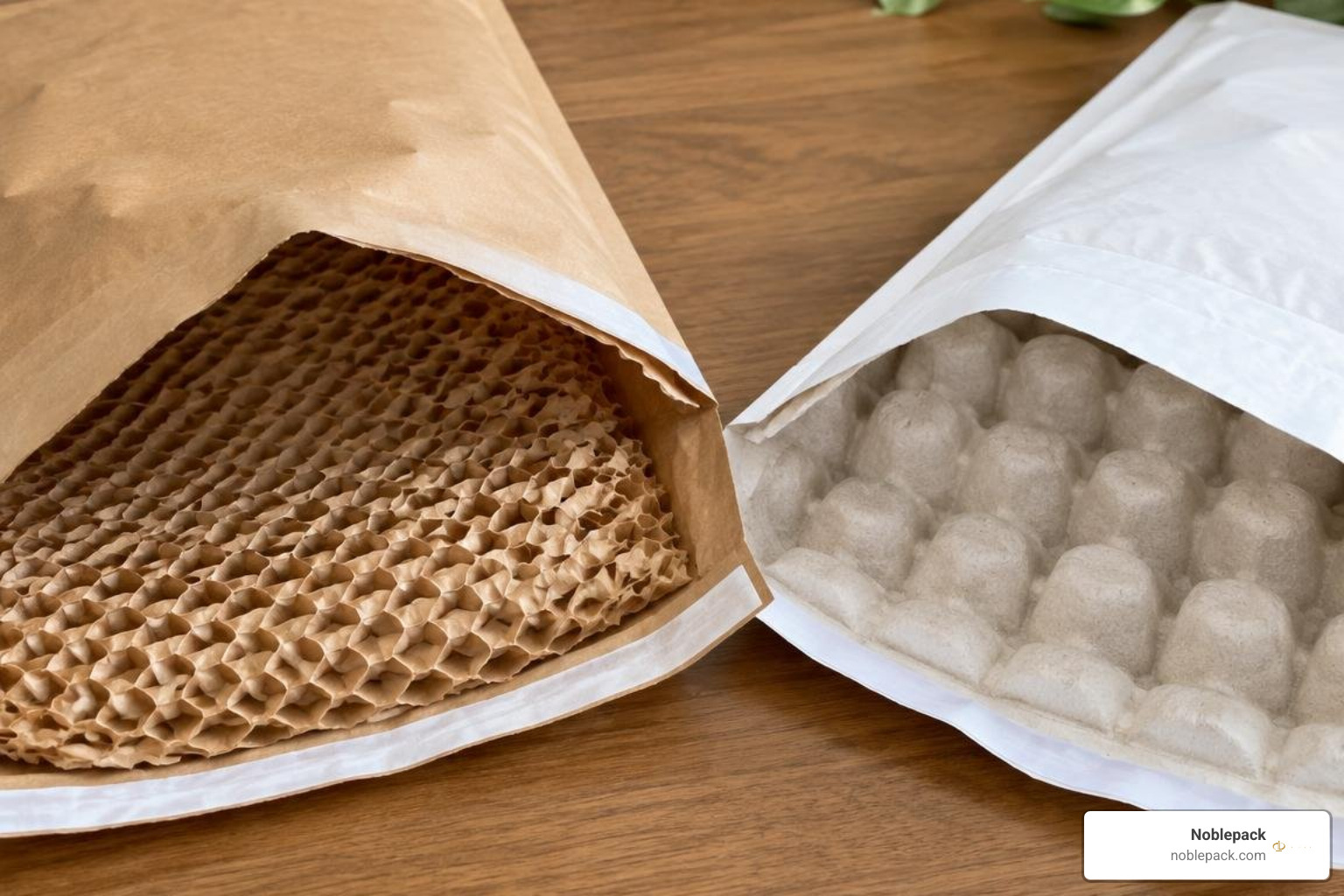
As cushioning technology evolves, multiple plastic-free structures have entered fulfillment centers. Selecting the proper format depends on product fragility, transit distance, and the desired disposal method for your customers.
| Cushioning Style | Primary Materials | Impact Resistance | Curbside Recyclable? | End-of-Life Disposal | Best Use Cases |
|---|---|---|---|---|---|
| Honeycomb Kraft | 100% Virgin or Recycled Kraft Paper | Moderate to High | Yes (100% with paper) | Curbside Bin or Backyard Compost | Jewelry gift boxes, flat accessories, cosmetics |
| Macerated Newsprint | Recycled Kraft + Upcycled Newsprint Fiber | Heavy-Duty | Yes (100% with paper) | Curbside Bin or Home Compost | Delicate gemstone pieces, small hardware, books |
| Bio-Poly Bubbles | PBAT + Cornstarch (PLA) Film | High (Flexible Air Cushion) | No (Plastic Stream Contaminant) | Industrial or Home Compost (90–180 Days) | Moisture-sensitive soft goods, apparel, cosmetics |
Honeycomb Kraft Biodegradable Padded Mailers
Honeycomb kraft envelopes feature an interlocking paper lattice that expands inside two outer kraft sheets. This geometric web absorbs lateral shock and disperses impact forces evenly across the envelope's surface area. Because the structure relies on engineered paper tension rather than trapped air, it cannot puncture or deflate mid-transit.
These envelopes provide natural tear resistance while remaining extremely lightweight, keeping shipping costs minimal. They represent an exceptional choice when sending boxed trinkets, stud earrings, or low-profile items. When preparing luxury goods for postal carriers, following our jewelry shipping packaging guide 2026 ensures inner presentation cases nestle securely inside the honeycomb padding without sliding.
Macerated Upcycled Paper Padded Envelopes
Macerated paper mailers use a thick sandwich construction: two heavy sheets of kraft paper encapsulating a dense layer of shredded, upcycled newsprint. When dropped or compressed, the interlocking wood pulp fibers shift to absorb kinetic energy, delivering heavy-duty protection comparable to rigid cartons.
Because these envelopes contain pure cellulose from top to bottom, consumers can drop the entire mailer directly into their curbside paper bin without separating internal liners. For fulfillment teams that want the speed of an envelope but need the puncture resistance of small cartons, combining these mailers with compact jewelry mailer boxes provides multi-layered crush security for high-value orders.
Bio-Poly and Cornstarch Bubble Mailers
For shippers who prefer traditional bubble wrap's elasticity and air-pocket resilience, bio-based films offer a functional compromise. These envelopes use a combination of polybutyrate adipate terephthalate (PBAT) and polylactic acid (PLA) derived from cornstarch to create a flexible, air-cushioned bubble liner.
Bio-poly mailers deliver built-in water resistance, defending delicate contents from unexpected rain or high humidity during transit. Unlike paper, bio-poly films must be processed in certified home or industrial composting environments to degrade cleanly into water, carbon dioxide, and organic biomass.
How to Choose the Right Biodegradable Padded Mailers for Your Products
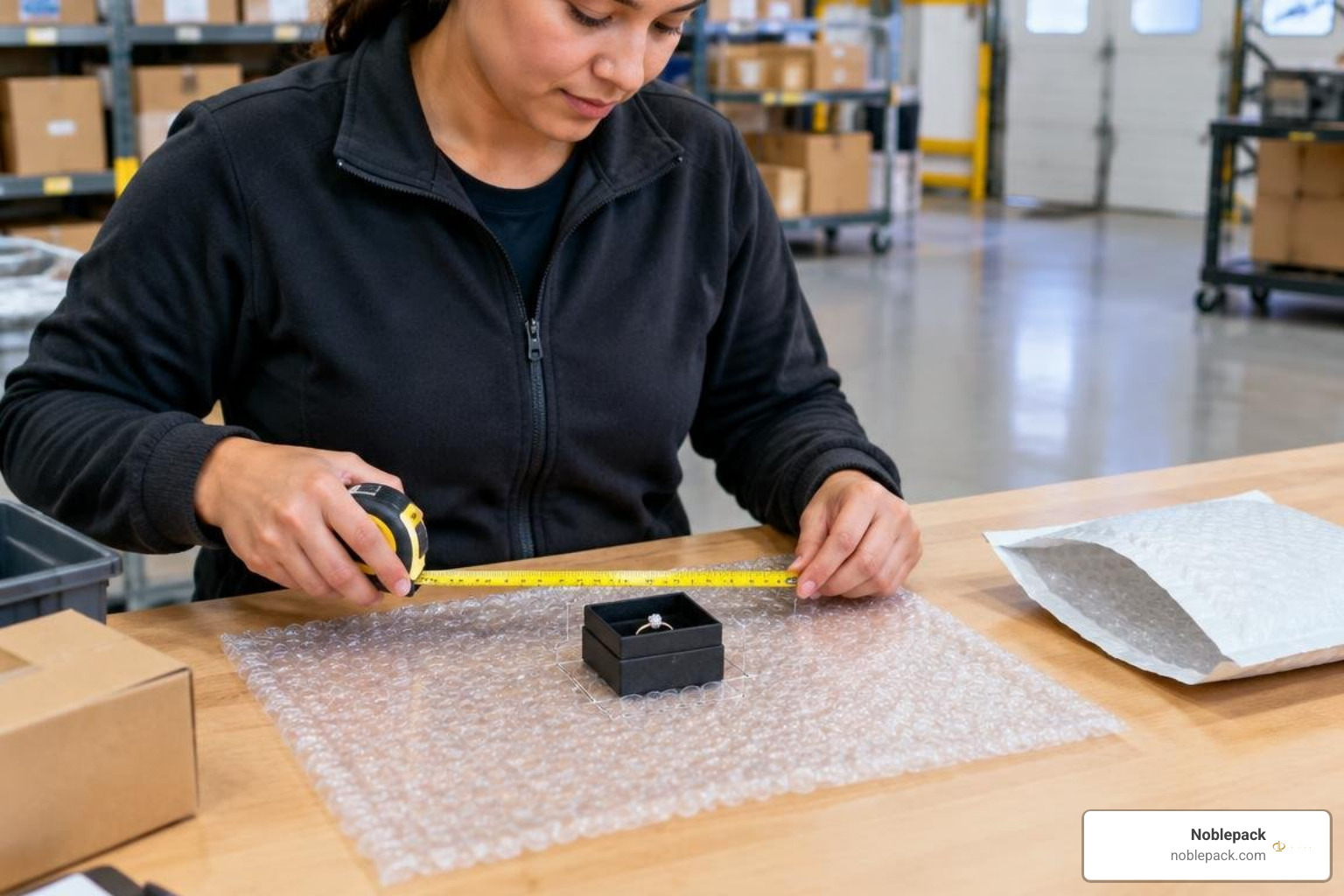
Finding the right mailer requires balancing interior dimensions, barrier protection, and freight pricing tiers:
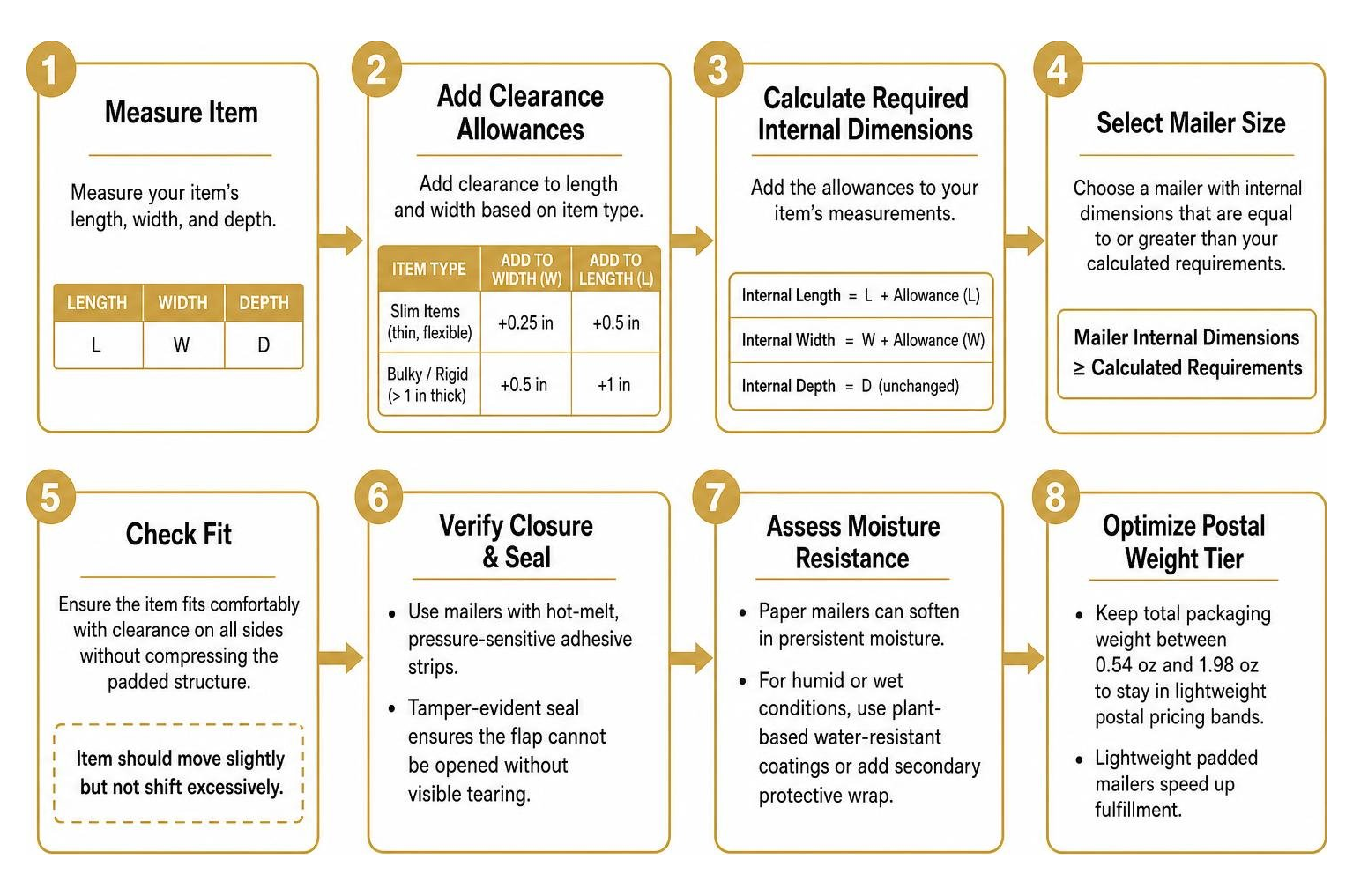
- Calculate Clearance Allowances: A padded envelope loses internal volume as it expands around three-dimensional objects. To calculate the right size, measure your item's length, width, and depth. Add at least 0.25 inches to the width and 0.5 inches to the length for slim items. For bulky or rigid gift boxes thicker than 1 inch, add 0.5 inches to the width and 1 inch to the length to avoid bursting the side seams.
- Evaluate Closure and Adhesive Strength: Choose mailers equipped with hot-melt, pressure-sensitive adhesive strips. A tamper-evident seal ensures that once the flap is closed, the envelope cannot be opened without visible tearing, protecting merchandise against theft or transit tampering.
- Review Humidity and Moisture Resistance: Pure paper envelopes can soften if exposed to persistent moisture. If your shipments travel through humid regions or wet seasonal climates, select paper mailers treated with plant-based water-resistant coatings or protect internal boxes with secondary protective wrap.
- Optimize Postal Weight Tiers: Packing with lightweight padded envelopes can be up to four times faster than assembling and taping rigid cardboard boxes. Additionally, keeping total packaging weight between 0.54 oz and 1.98 oz helps your parcels stay within lightweight postal pricing bands. To streamline fulfillment routines, explore our tips on jewelry packaging for ecommerce to maintain consistent order-processing speeds.
Frequently Asked Questions About Biodegradable Padded Mailers
How long do biodegradable padded mailers take to break down?
The breakdown timeline depends on the raw material composition and the disposal environment:
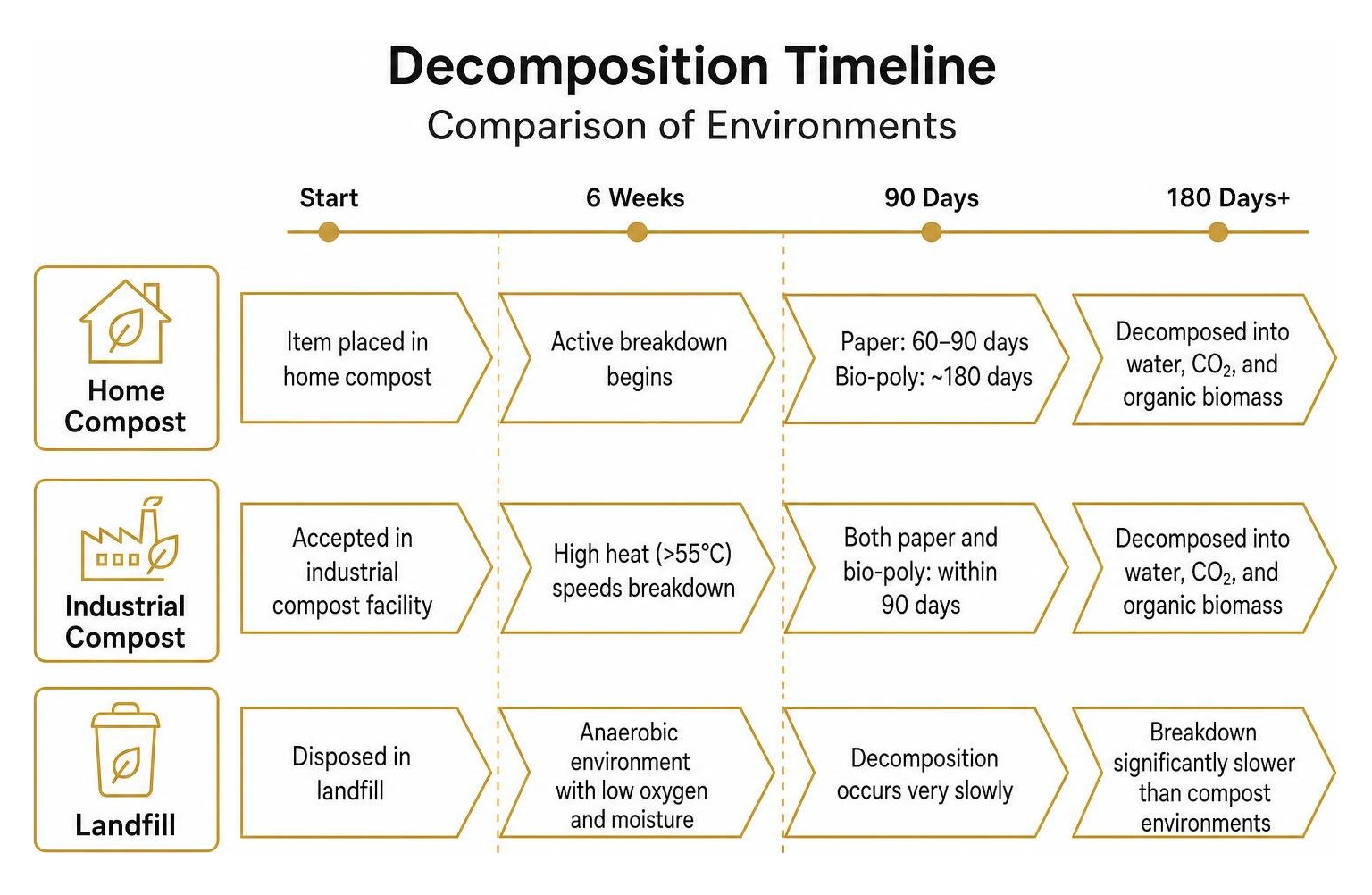
- 100% Recycled Paper and Honeycomb Envelopes: In an active home compost bin with proper moisture and microbial activity, natural kraft paper typically breaks down within 60 to 90 days. In municipal composting facilities, decomposition can occur in under 6 weeks.
- Certified Bio-Poly & Cornstarch Bubble Films: Mailers certified under ASTM D6400, EN 13432, Vincotte, or BPI standards break down within 90 days in industrial facilities (where temperatures exceed 55°C/131°F) and roughly 180 days in ambient home compost piles.
- Landfill Limitations: In an anaerobic landfill devoid of oxygen and moisture, all organic materials—including paper and plant resins—degrade significantly slower. Clear disposal instructions on your packaging help customers choose compost or recycling bins over general waste.
Are plant-based cushioned envelopes waterproof and durable in transit?
Paper-based cushioned mailers resist light atmospheric humidity and minor scuffs during sorting. However, prolonged exposure to standing water can weaken raw cellulose fibers. Many manufacturers now apply non-toxic, water-repellent starch coatings to kraft exteriors to shed light rain without interfering with paper recycling streams.
Bio-poly cornstarch bubble mailers provide complete waterproof and puncture-resistant protection comparable to synthetic polyethylene mailers, making them ideal for inclement weather routes.
Can paper padded mailers fully protect fragile items like jewelry?
Yes, paper-padded mailers provide reliable protection for packaged goods, small accessories, and retail gift boxes when sized correctly. The dense cushioning of macerated pulp and the shock-dispersing lattice of honeycomb paper absorb drops, vibration, and conveyor impact.
For loose gemstones, heavy crystal pendants, or delicate vintage settings, we recommend placing the jewelry within sturdy jewelry shipping boxes before sliding them into a padded envelope to prevent crushing from heavy parcel sorting equipment.
Conclusion
Upgrading to sustainable, plant-derived packaging allows your brand to deliver dependable protection while eliminating unnecessary single-use plastics. By matching the right cushioning style—whether curbside-recyclable honeycomb paper, macerated pulp, or certified compostable bubble films—to your product line, you create an unboxing experience that builds trust and earns customer loyalty.
At Noblepack, we help businesses elevate their presentation with premium gift boxes, specialized display cases, and protective shipping supplies. Whether you are refreshing your storefront presentation or optimizing online order logistics, explore our full catalog of protective packaging and cushioning wrap options to keep your shipments secure and sustainable.